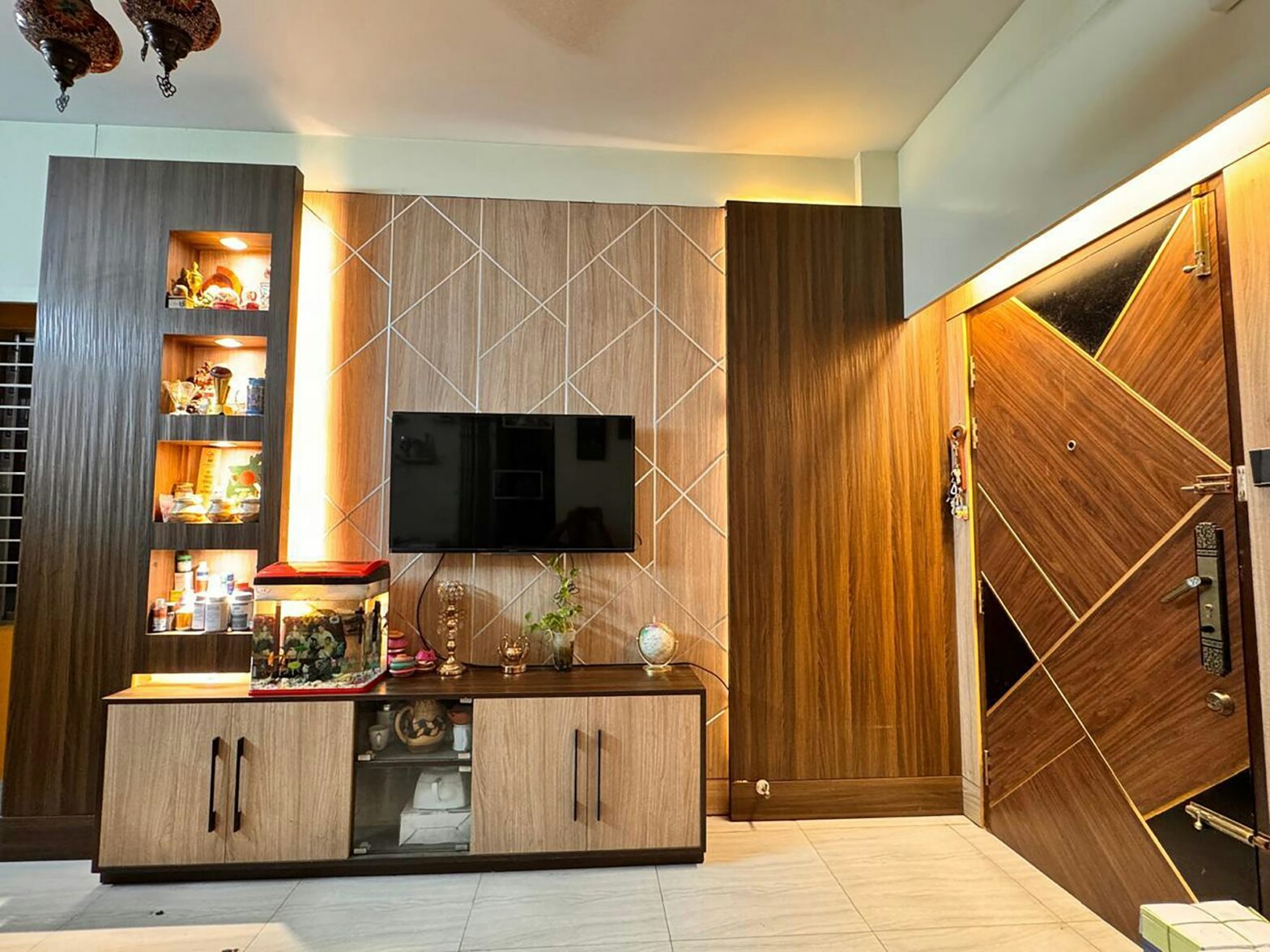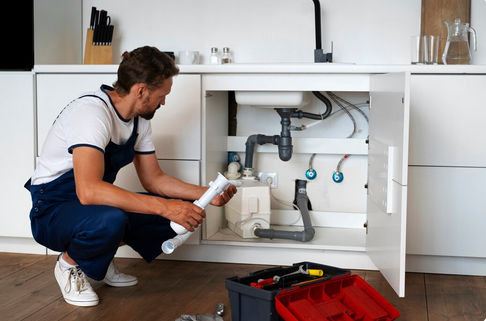
When planning home renovations, plumbing often gets overlooked. Most people focus on design, paint colors, or flooring. Yet, plumbing is the foundation of many daily activities. A well-maintained system ensures comfort, safety, and long-term value. Ignoring it during renovations can lead to leaks, clogs, or costly damage later on. Paying attention now prevents bigger problems down the road.
Planning Ahead With Professionals
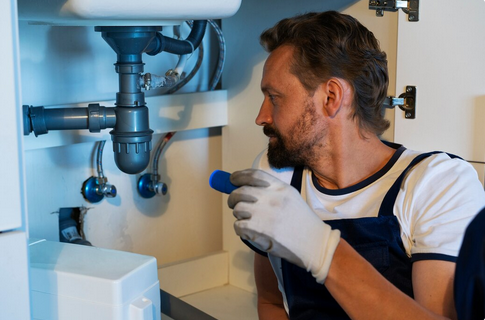 Before renovations begin, it’s smart to consult a plumber. They can inspect your system and identify weak points. This step gives you clarity on what needs repair, upgrade, or replacement. It also helps ensure that changes in layout, such as moving a sink or shower, won’t create hidden issues. Professional input at the planning stage saves both time and money once construction begins.
Protecting Existing Pipes and Fixtures
Renovation work can be rough on plumbing. Dust, debris, and heavy tools may harm exposed pipes and fixtures. Covering and sealing vulnerable parts is essential. Simple precautions like wrapping pipes or capping drains keep the system safe. Protecting fixtures during demolition and construction also avoids scratches and cracks. These small measures help maintain function and appearance.
Coordinating With Other Contractors
Plumbing does not exist in isolation. It connects with electrical, carpentry, and finishing work. Miscommunication between teams can create conflicts, like pipes being placed where wiring needs to go. Coordinating schedules and responsibilities avoids delays and ensures smooth progress. Open communication among contractors ensures that plumbing fits neatly into the broader renovation plan.
Updating Old or Worn-Out Pipes
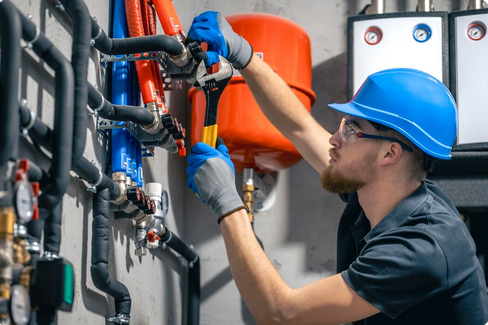
Renovations present the perfect chance to upgrade old pipes. Many homes still have galvanized or aging plumbing that may be prone to leaks. Replacing them with modern materials adds reliability and efficiency. This step also ensures the system can handle increased water use if you add new fixtures. Making these updates during renovations avoids the need for future disruptions.
Testing Before Closing Walls and Floors
One of the most crucial steps is testing the plumbing before final finishes are applied. Once walls are closed, repairs become difficult and expensive. Running water through new or adjusted lines reveals leaks, pressure problems, or connection issues. This simple check provides peace of mind and prevents hidden damage later. Taking time to test ensures the system is ready before construction wraps up.
Adding Water-Efficient Fixtures
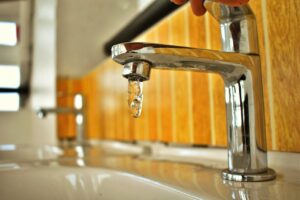 Renovations offer a chance to modernize with eco-friendly fixtures. Low-flow toilets, faucets, and showerheads save water and reduce utility bills. While the upfront cost may seem higher, the long-term savings are significant. These upgrades also add appeal if you plan to sell your home in the future. Choosing efficient options shows a commitment to sustainability without sacrificing comfort.
Once renovations are complete, care doesn’t stop. Regular inspections and maintenance keep the plumbing system in top condition. Check for leaks, monitor water pressure, and clean drains periodically. Proper upkeep extends the life of your new investments and ensures everything functions smoothly. Treat your plumbing with the utmost care to avoid preventable problems in the years to come.