
The meaning of home has always evolved alongside changes in technology, lifestyle, and society. What was once simply a place to relax, sleep, and spend time with family is gradually becoming something more intelligent, connected, and responsive. Artificial intelligence (AI) is playing an increasingly important role in this transformation, introducing new ways to manage household tasks, improve comfort, enhance security, and personalize everyday experiences. From smart lighting systems that adjust automatically to voice-controlled assistants and intelligent appliances, technology is changing how people interact with their living spaces. However, this transformation goes beyond convenience. It raises an interesting question: as our homes become smarter, are they also becoming better places to live? Understanding how AI is influencing modern residential environments helps us appreciate both the opportunities and challenges of this technological shift.
Homes Are Becoming More Responsive to Our Needs
One of the biggest changes AI brings to residential living is technology’s ability to respond to individual preferences. Smart home systems can learn household routines and adjust certain settings accordingly. For example, intelligent lighting can follow programmed schedules, while smart thermostats can help maintain comfortable indoor temperatures. These features make everyday living more convenient by reducing the need for constant manual adjustments. Rather than simply occupying a space, homeowners can increasingly interact with environments that adapt to their habits and preferences.
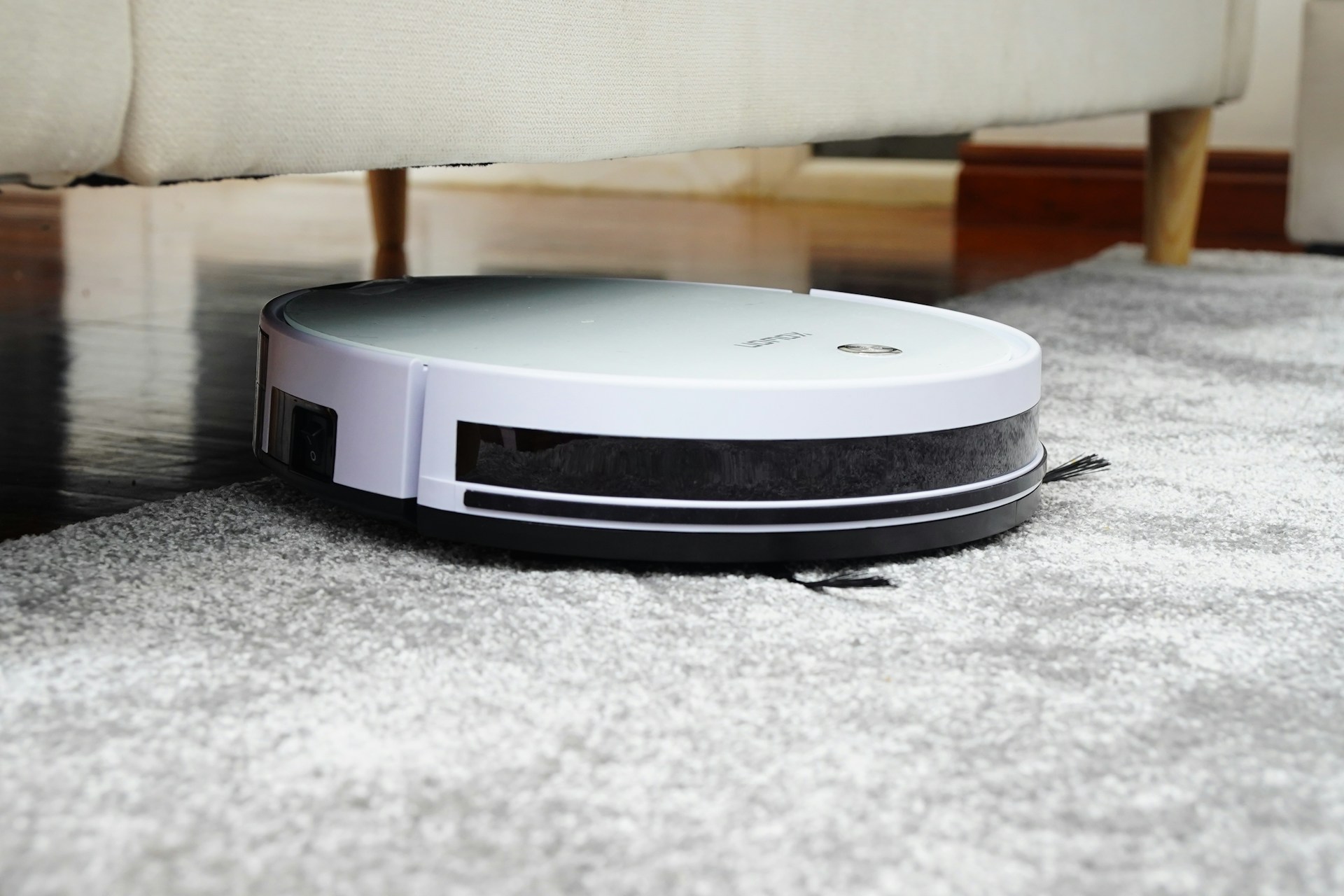
Everyday Household Tasks Are Becoming Easier
Managing a household involves numerous repetitive responsibilities, from cleaning floors to controlling appliances and organizing daily routines. AI-powered devices are helping simplify some of these activities. Robotic vacuum cleaners, intelligent washing machines, and connected kitchen appliances can automate selected tasks and reduce the time spent on routine household management. While these technologies cannot replace every household responsibility, they can make everyday living more efficient. This lets homeowners spend more time on activities that matter rather than constantly managing household tasks.
Artificial Intelligence Is Redefining Home Security
Home security is another area experiencing significant technological development. AI-powered security cameras, smart doorbells, and connected alarm systems can identify unusual activity, distinguish between familiar and unfamiliar movement, and send real-time notifications to homeowners. Some systems also allow residents to monitor their properties remotely through smartphone applications. These developments provide greater visibility and control over household security. However, homeowners should also consider data privacy, secure passwords, and reliable system settings when introducing connected security devices.
Personalized Interiors Are Becoming More Accessible
Artificial intelligence is also changing how people approach interior design. AI-powered design platforms can help homeowners explore different furniture arrangements, color combinations, lighting concepts, and decorative styles. Some tools can generate visual representations of proposed interiors, making it easier to imagine how a room might look before committing to expensive changes. This can be particularly useful for people planning renovations or decorating unfamiliar spaces. Nevertheless, technology should remain a creative assistant rather than a replacement for personal taste and thoughtful design decisions.
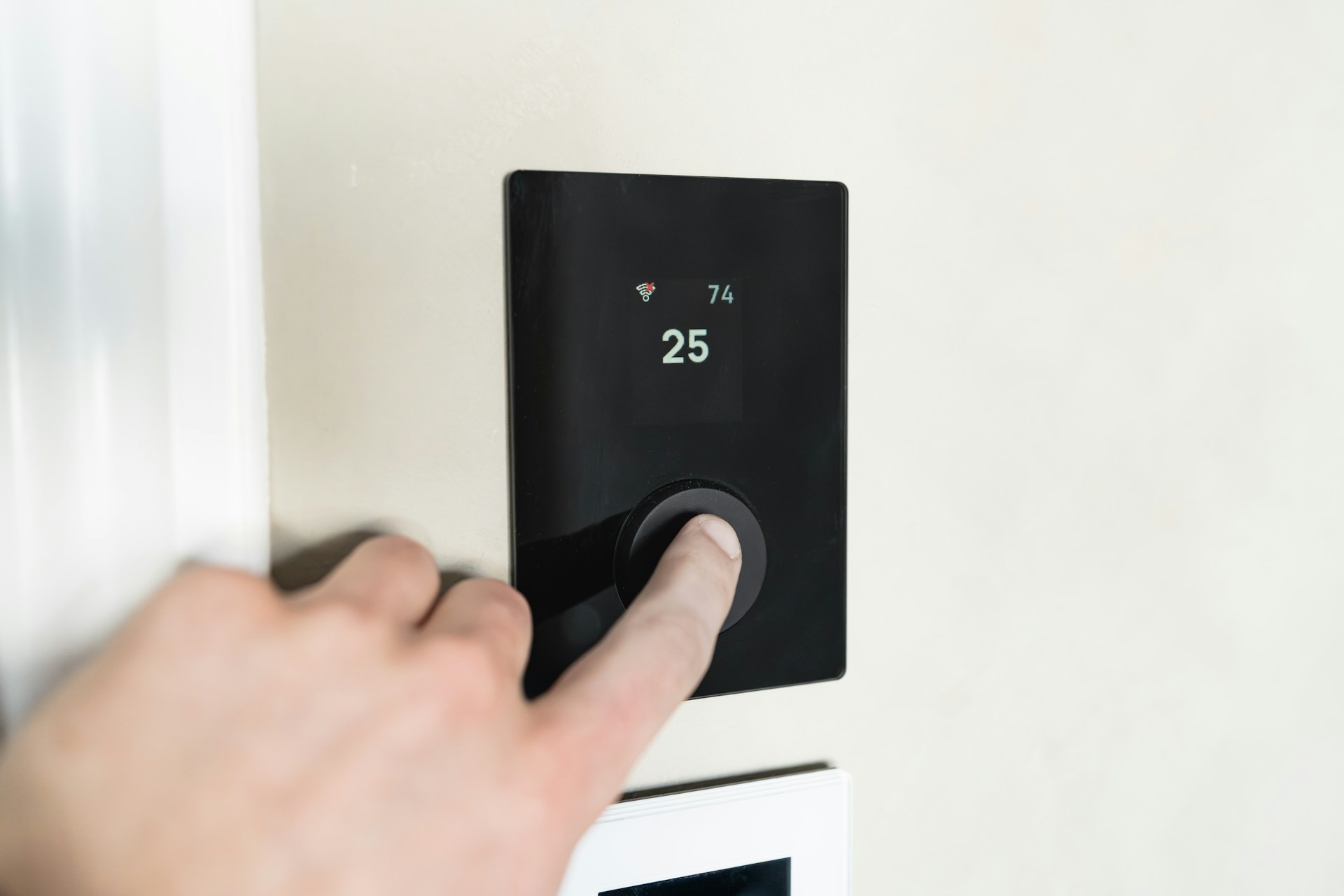
Energy Efficiency Is Becoming a Bigger Priority
As energy costs and environmental concerns influence household decisions, AI is helping homeowners manage energy consumption more effectively. Smart systems can analyze usage patterns, adjust heating and cooling schedules, and identify opportunities to reduce unnecessary electricity consumption. Intelligent lighting can also switch off automatically when rooms are unoccupied. Although the results depend on the equipment, household habits, and local energy systems, these technologies can encourage more responsible energy management while supporting comfortable everyday living.
The Human Side of Smart Homes Still Matters
Despite the benefits of intelligent technology, a home should never become defined entirely by its devices. Comfort, emotional connection, privacy, and personal expression remain essential elements of a meaningful living environment. Overdependence on automated systems may also introduce concerns about data collection, technical failures, maintenance costs, and digital accessibility. The most successful smart homes will use technology thoughtfully while preserving the warmth and individuality that make residential spaces feel personal.
Artificial intelligence is changing what home means by making living spaces more connected, responsive, efficient, and personalized. From improving household security to simplifying everyday tasks and supporting smarter interior design, its influence is creating new possibilities for modern living. Ultimately, the best home is not necessarily the one with the most advanced technology. It is the one where innovation and comfort come together to create a space that genuinely supports the people who call it home.