Selling a fire-damaged property can be an emotionally and financially taxing process. Homeowners often face a maze of decisions, from determining repair feasibility to understanding the local market and legal requirements. Hassle-free sale fire damaged home can streamline the process and provide cash quickly. However, many sellers make avoidable mistakes that can cost time, money, and peace of mind. Understanding these common pitfalls is essential for anyone looking to sell a fire-impacted house efficiently. By recognizing potential errors early, you can make informed decisions and protect both your financial and emotional interests.
Underestimating Fire Damage Severity
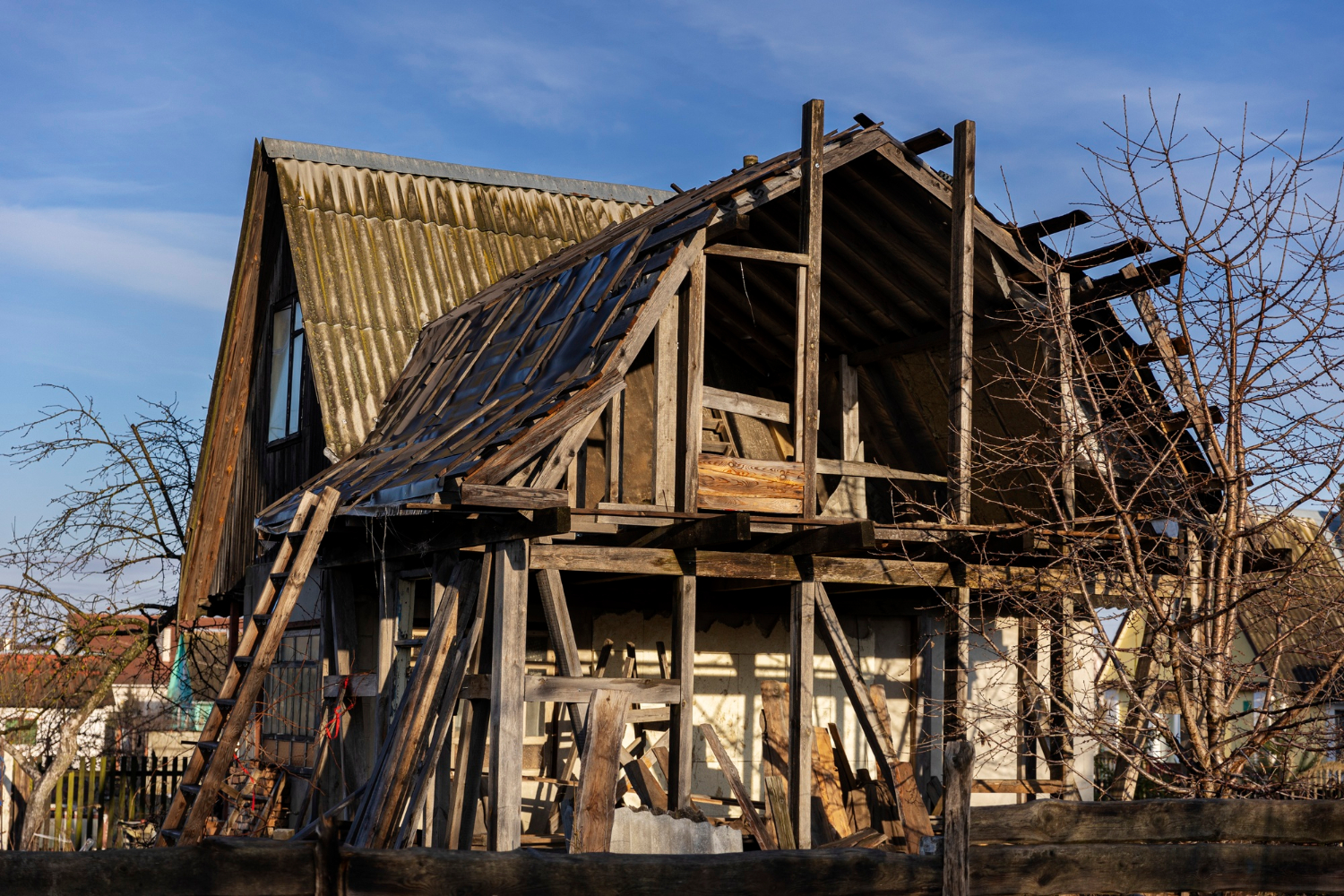
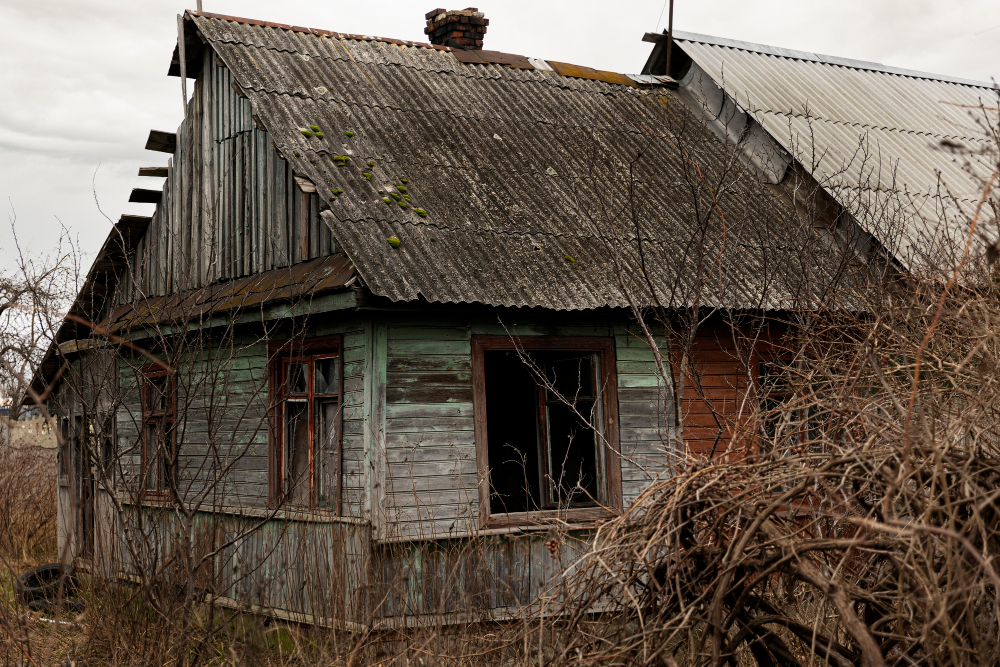 A frequent mistake homeowners make is assuming the visible fire damage represents the full scope of destruction. Fire can compromise structural elements, wiring, and plumbing, even in areas that appear intact. Failing to assess the property accurately can lead to unrealistic pricing, negotiations issues, or safety hazards during showings. Conducting a thorough evaluation, possibly with a professional fire inspector, helps clarify repair needs and market value. Knowing the true extent of damage is key to choosing the most appropriate selling strategy.
Attempting DIY Repairs Without Expertise
Some sellers try to restore their fire-damaged home without professional guidance, thinking it will save money or increase value. However, inadequate repairs can worsen problems, lead to code violations, or decrease the property’s appeal. Electrical or structural repairs require certified professionals to comply with safety standards. Overestimating one’s ability to fix significant damage can result in wasted effort, additional expenses, and delays in the selling process.
Failing to Consider Selling As-Is
Many homeowners feel compelled to repair the property before listing, assuming this will attract more buyers or higher offers. While repairs can sometimes enhance value, selling to cash buyers or investors as-is can be a faster and more practical choice. Attempting extensive renovations may be financially unfeasible, especially if fire damage is severe. Evaluating both options objectively—repairing versus selling as-is—can prevent unnecessary costs and stress.
Ignoring Disclosure Requirements
Legal and ethical disclosure is a critical step in selling fire-damaged property. Some sellers overlook or downplay prior fire incidents, hoping to avoid scaring off potential buyers. This can lead to legal repercussions, including lawsuits or contract cancellations, if undisclosed damage is discovered later. Providing transparent, accurate information about fire history protects both the seller and buyer while building trust during negotiations.
Mismanaging Insurance Claims

Homeowners sometimes neglect to file or fully utilize insurance claims for fire-damaged properties. Delays, incomplete documentation, or misunderstanding coverage can result in lost funds that could offset repair or selling costs. Promptly contacting your insurance provider, documenting damage thoroughly, and seeking guidance on claim processes ensures financial support is optimized. Proper management of insurance claims prevents missed opportunities and financial strain.
Choosing the Wrong Selling Method
Selecting the wrong selling approach can prolong the process or reduce potential earnings. Listing with a traditional realtor may be slow and costly if extensive repairs are needed, while targeting investors and cash buyers can facilitate a faster, more predictable transaction. Understanding your priorities—speed, convenience, or maximizing profit—will help determine the best route. Aligning the method with your situation avoids delays, frustration, and unnecessary expenses.
Selling a fire-damaged home requires careful planning and avoidance of common mistakes that can complicate the process. From underestimating damage to mishandling repairs, disclosure, insurance, or selling methods, each decision impacts timing and financial outcomes. Taking proactive steps, understanding your options, and consulting professionals when necessary can save time and protect your investment. A Hassle-free sale fire damaged home option offers an accessible solution for those seeking efficiency and certainty in an otherwise stressful situation. By addressing these top six pitfalls, homeowners can achieve a smoother sale, minimize risk, and move forward confidently after a fire incident.